
2nd December 2025
Uppsala, Sweden
Thesis project presentation
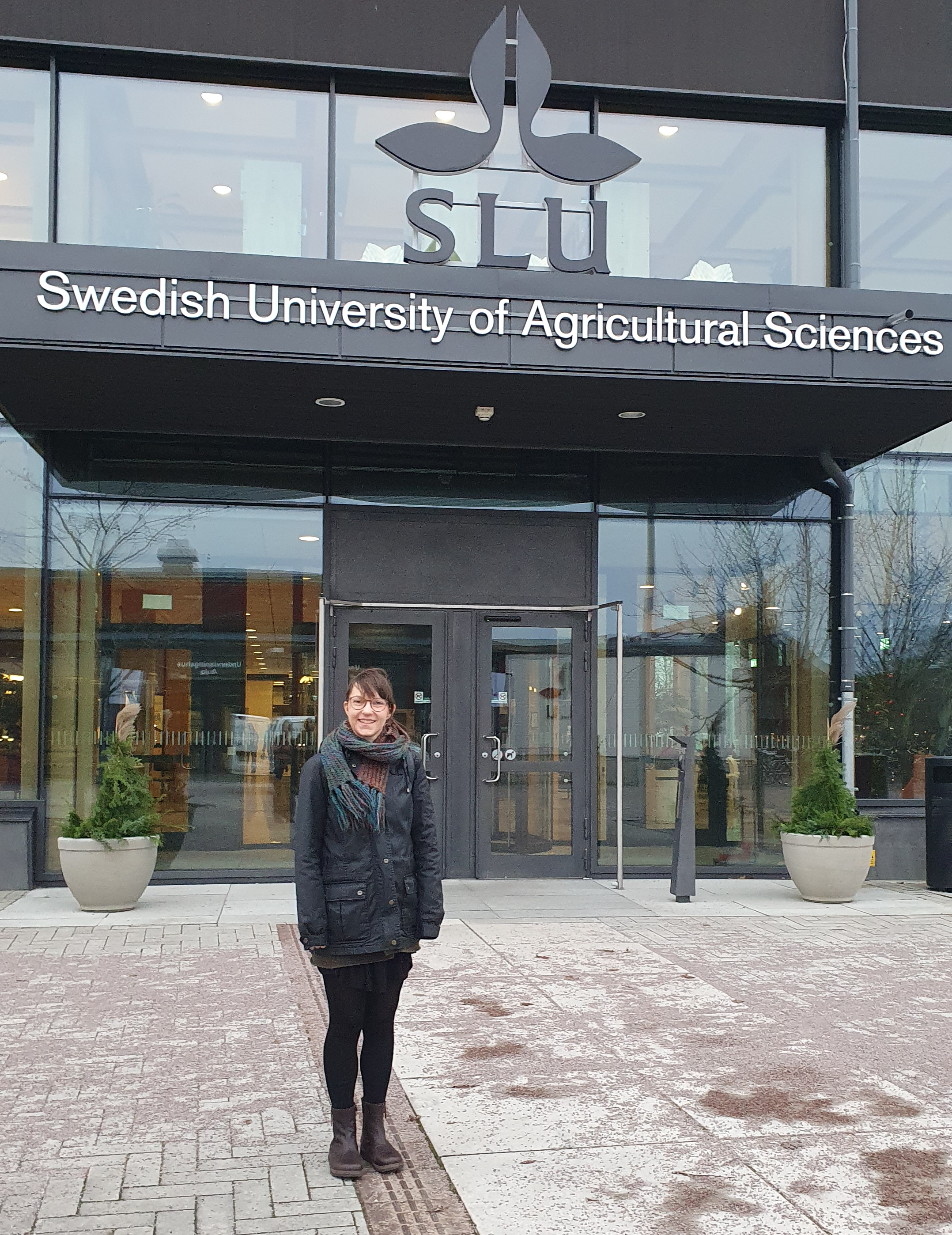
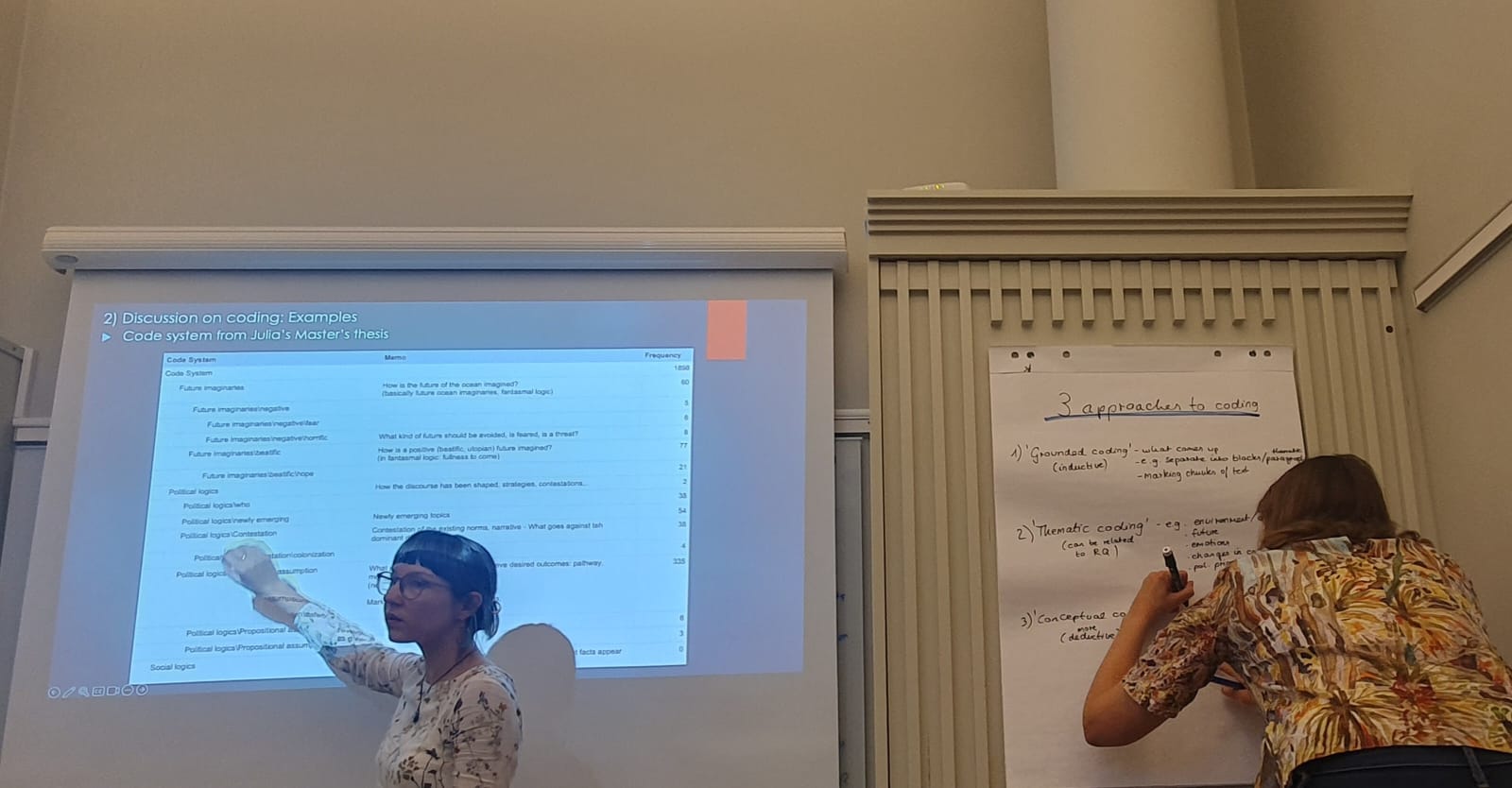
In early december Julia Feine presented her thesis “Navigating the Anthropocene: Adaptation, Fantasy, and the Politics of Forest Fires” at the Swedish University of Agricultural Sciences (SLU) Department of Urban and Rural Development.
30th of October 2025
Huddinge, Sweden
Paper draft presentaion
At the end of October Elise Remling, Ayşem Mert and Julia Feine presented a draft of the paper “Firescapes: confronting a burning planet and its many tragic possibilities” by Eva Lövbrand, Ayşem Mert, Julia Feine Mehmet Ali Üzelgün, Jelle Behagel and Elise Remling at the Södertörn University.
1st – 3rd of October 2025
Växjö, Sweden
Swedish Political Science Conference 2025
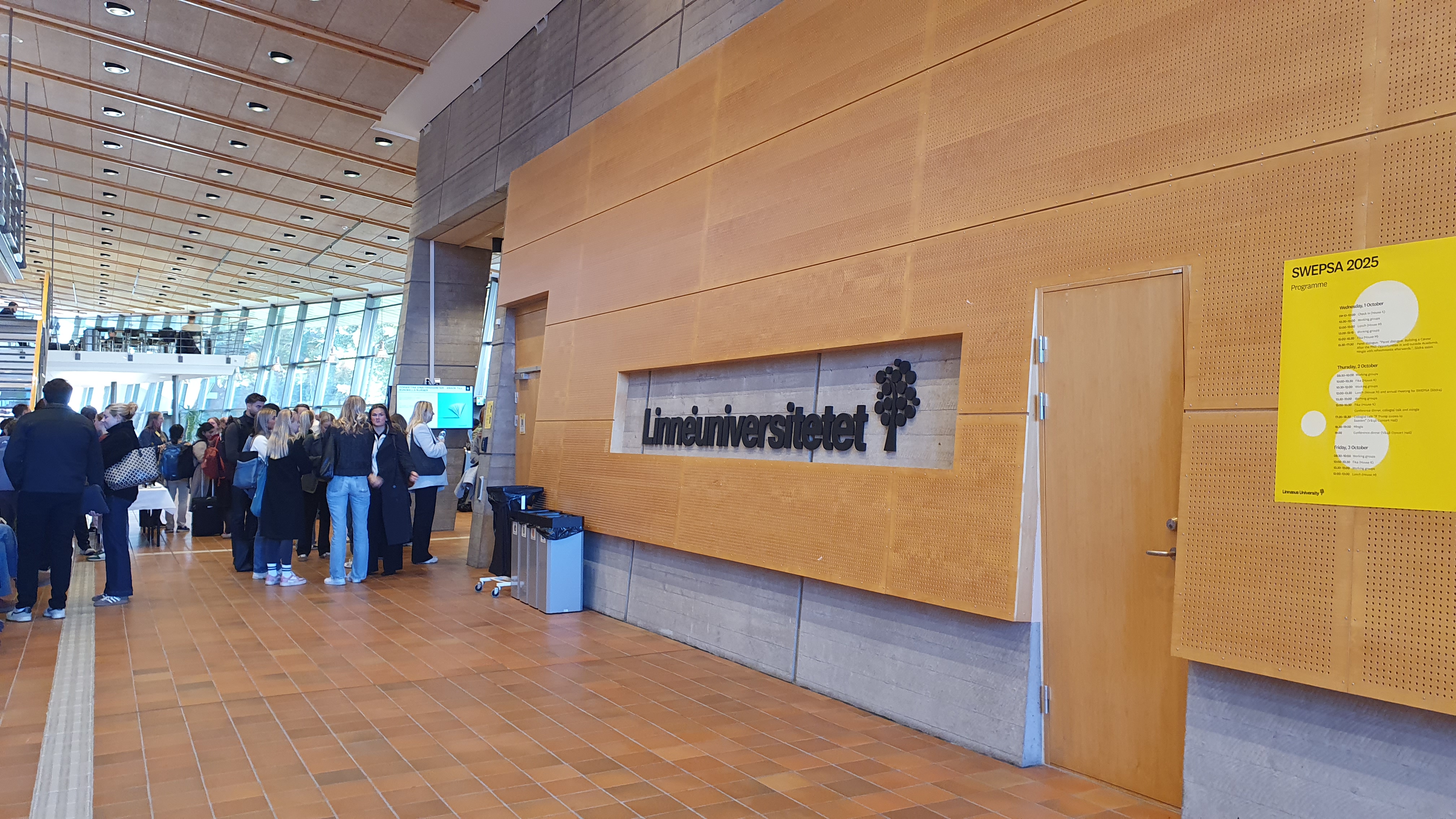
The annual conference of the Swedish Political Science Association (SWEPSA) took place in October at Linné University in Växjö. During the conference working group “Critical Studies of Power and the Political” Julia Feine presented a draft of her paper “The Crisis Will Fix Sweden? Navigating Fantasies of Collective Goodwill and Self-Efficacy in the Wake of Forest Fires”.

25th – 29th of August 2025
Bologna, Italy
18th Pan-European Conference on International Relations
The 18th Pan-European Conference on International Relations (PEC), organised by the European International Studies Associations (EISA) took place at the University of Bologna late August 2025. The Conference Theme was “International Rela_[404 Not Found]: Politics for a Broken World “.
The LiFiproject team was represented by Julia Feine who presented her forthcoming paper: Navigating the aftermath of forest fires in Sweden: the importance of social capital and situated knowledges in the Anthropocene.
11th – 13th of June 2025
Stockholm, Sweden
7th Nordic STS 2025: STS in and out of the Laboratory
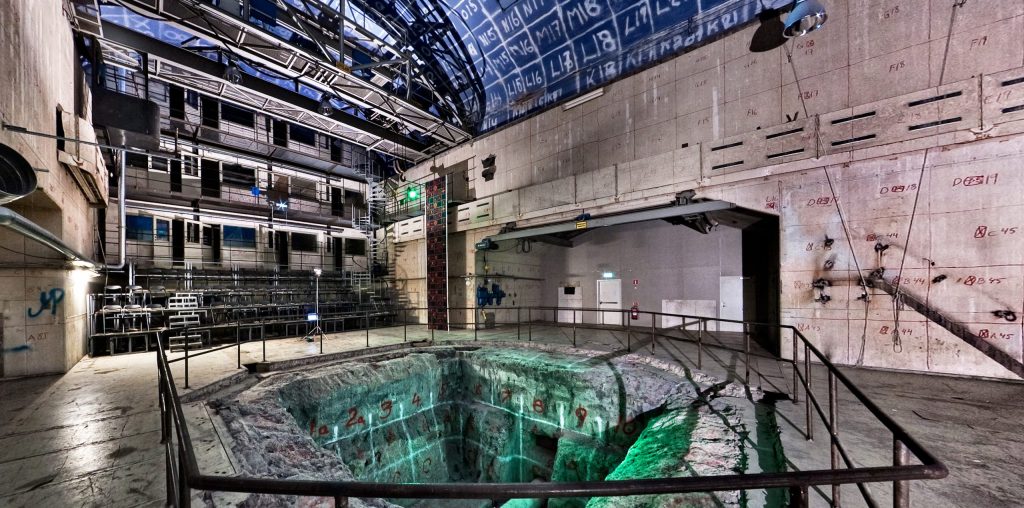
The Nordic STS conference took place at two University campuses that both hosts laboratories with historical legacy – the KTH Reactor Hall, at the Royal Institute for Technology and the laboratory of climate researcher and Nobel prize winner Svante Arrhenius, at Stockholm University.
The LiFiproject team was present with two panel sessions on Futuring the Anthropocene (co-organized by Ayşem Mert and Tatiana Sokolova).
Eva Lövbrand and Ayşem Mert presented the team’s forthcoming co-authored paper Firescapes: facing the planetary and living with a planet in crisis and
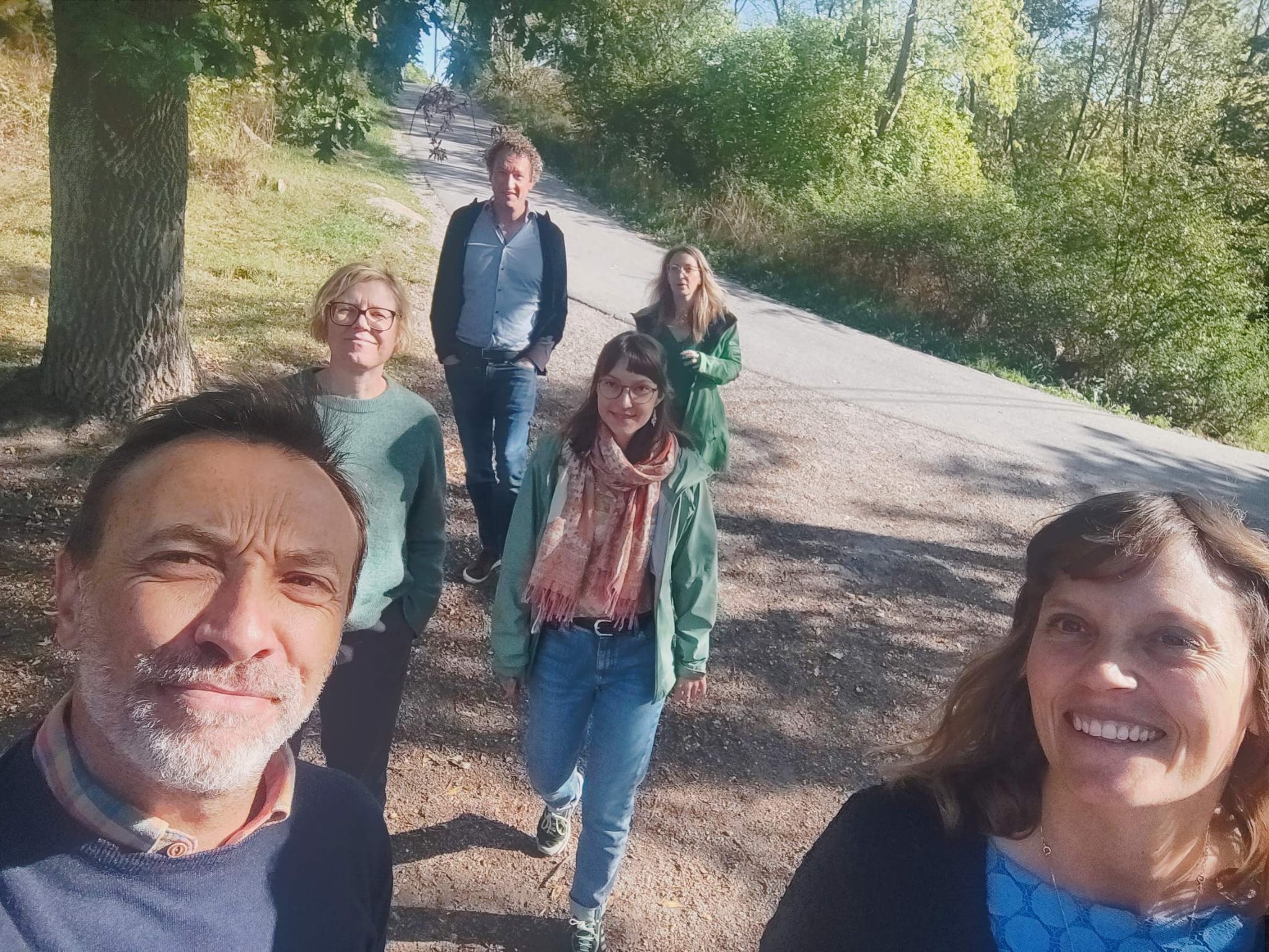
We organised a walkshop titled Shared Walks / Futures under the stream Artistic Contributions and Exploratory Practices.
Julia Feine presented her forthcoming paper titled Navigating the aftermath of forest fires in Sweden: the importance of social capital and situated knowledges in the Anthropocene.
Eva Lövbrand chaired a round table titled At the eye of the storm in Arrhenius laboratory: Tracing the progress of climate science – and peering into its future and presented Making place. The role of spatial imaginaries in Sweden’s transition to a fossil free society.
20th of November 2024
Canberra, Australia
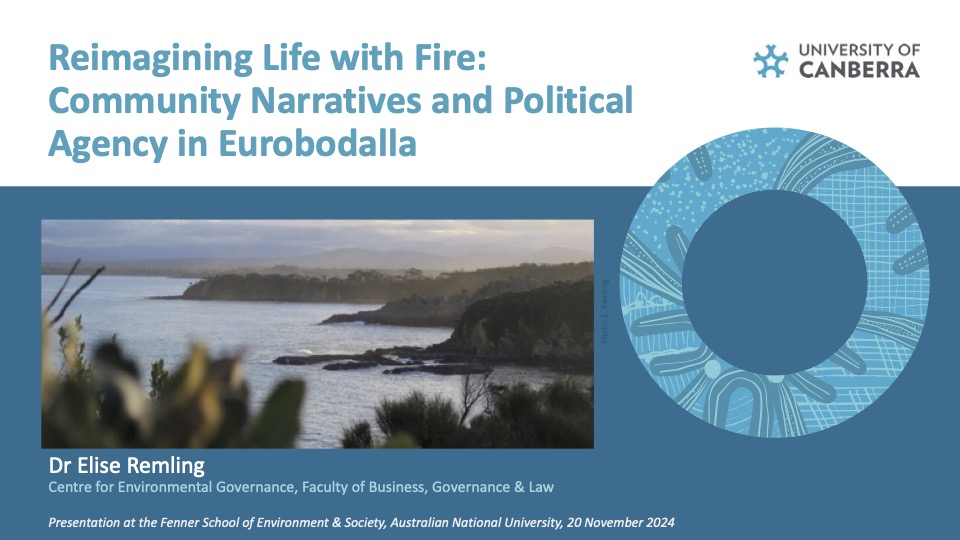
Early Insights from Eurobodalla Community Research Shared at ANU
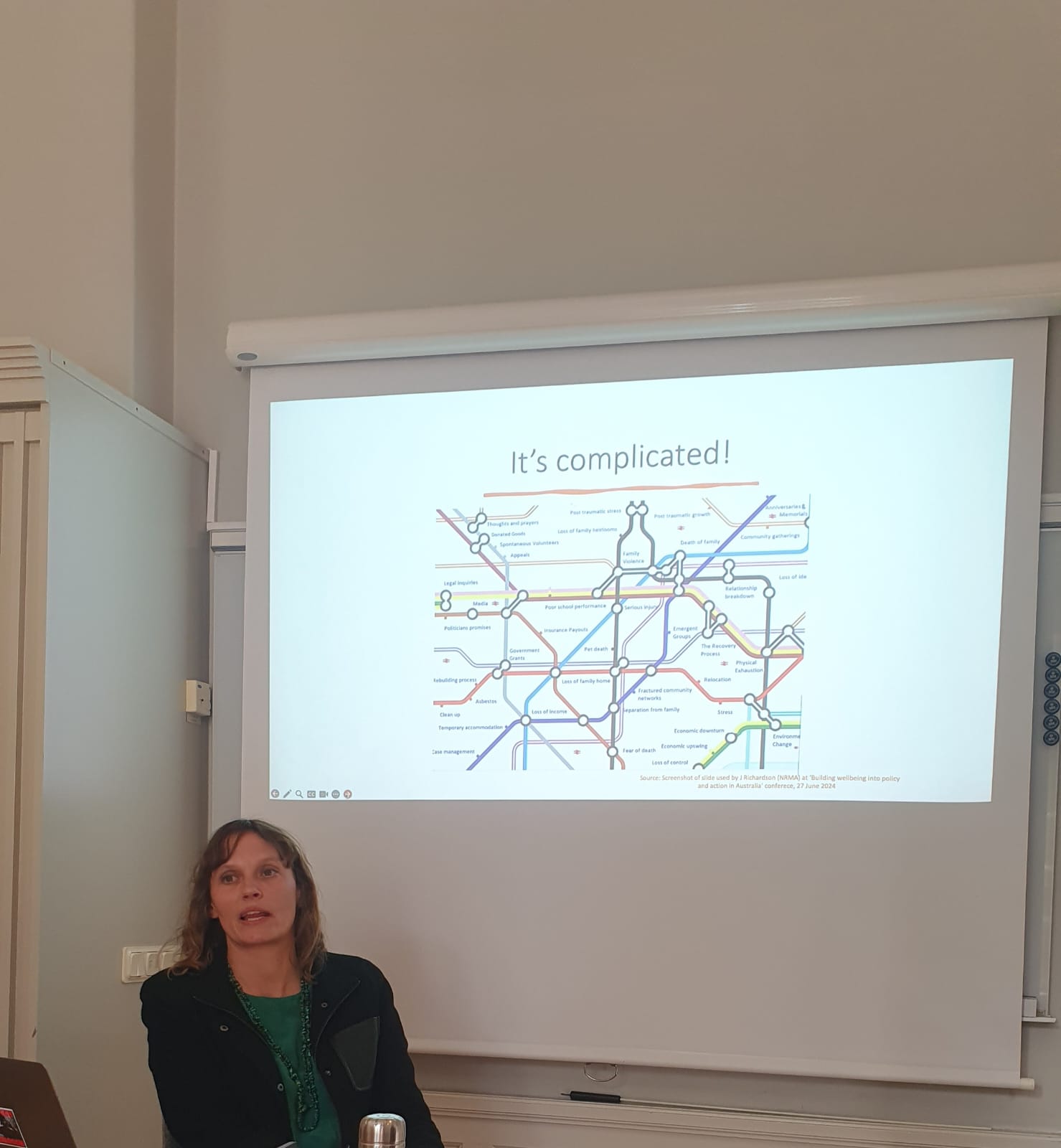
Project researcher Elise Remling presented preliminary findings from the Eurobodalla case study at the Australian National University’s Fenner School of Environment & Society in November 2024, sharing insights into how communities are reconstructing their environmental relationships following the Black Summer fires.
The presentation revealed how repeated fire events during 2019-20 created complex patterns of community response in the NSW South Coast region. Early interviews highlight how the sustained period of multiple fire fronts, evacuations, and infrastructure failures led to significant shifts in how residents view their environment and prepare for future fires.
Elise identified several key themes emerging from the research, including the erosion of trust in institutional responses, changing perceptions of bushland safety, and the emergence of strong but temporary community bonds during the crisis. While many residents have adapted their personal preparedness strategies, such as improving household fire plans and maintaining emergency supplies, the research suggests these individual changes haven’t been matched by broader institutional transformation.
The study is documenting rich emotional responses to the fires, from immediate fear and uncertainty to longer-term grief for environmental losses and anxiety about future fire seasons. These emotional dimensions are proving crucial for understanding how communities imagine and prepare for a future increasingly shaped by climate change.
Taking a ‘slow research’ approach that prioritizes deep community engagement, Elise continues to conduct in-depth interviews with community members, alongside planned focus groups and participatory activities. This methodical approach allows for careful documentation of community experiences and adaptation strategies, contributing to LiFi’s comparative analysis across five international cases.

25th – 28th of September 2024
Stockholm, Sweden
LiFi Workshop
All of our researchers met in Stockholm in late September. Many sessions were held exchanging about the case studies, methodology, concepts and deliverables. The workshop ended with a session on art and climate adaptation in Artipelag, an art museum in the Stockholm archipelago.


12th – 16 of August 2024
Ljusdal municipality, Sweden
First field visit – Hälsingland Case
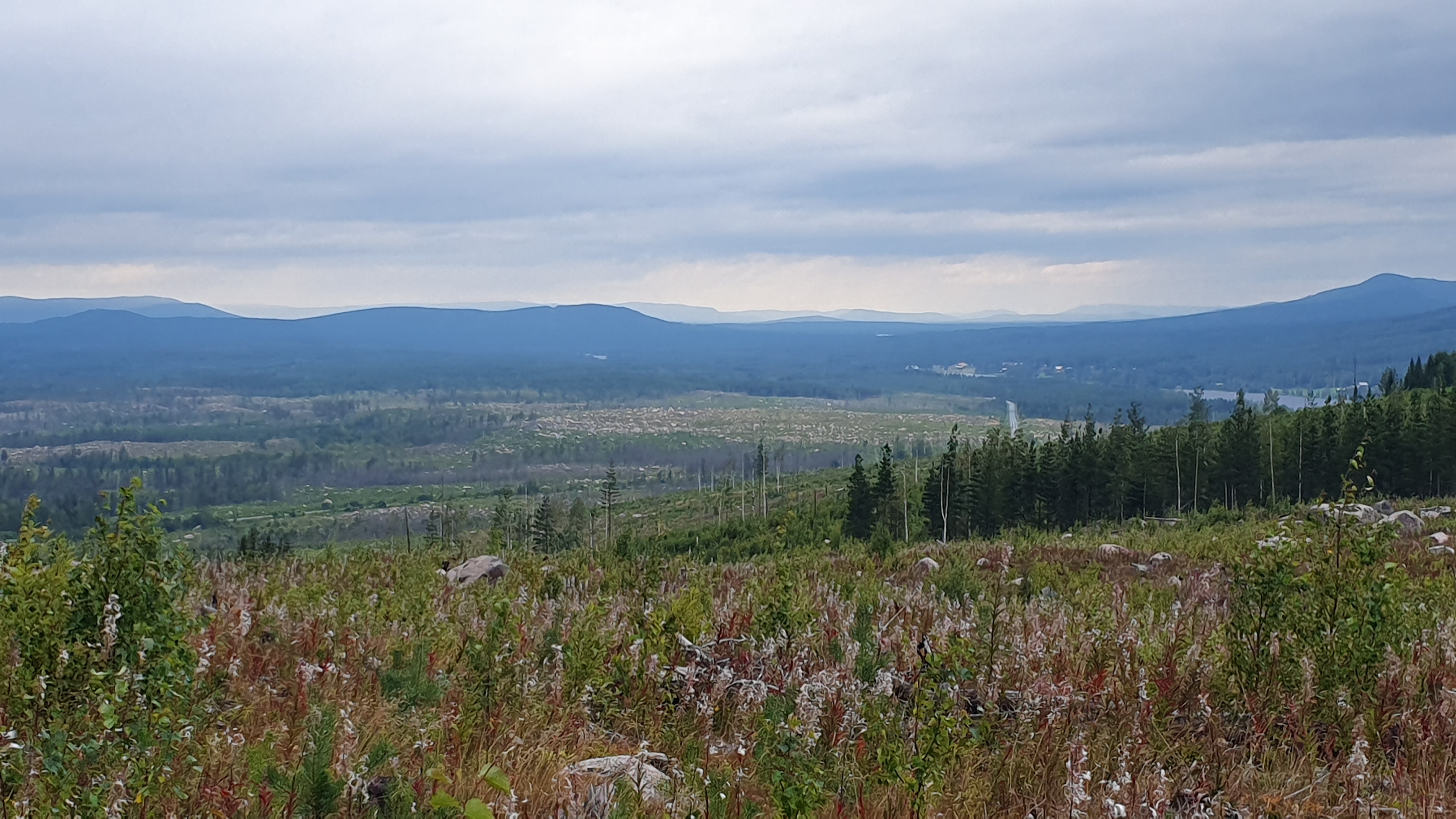
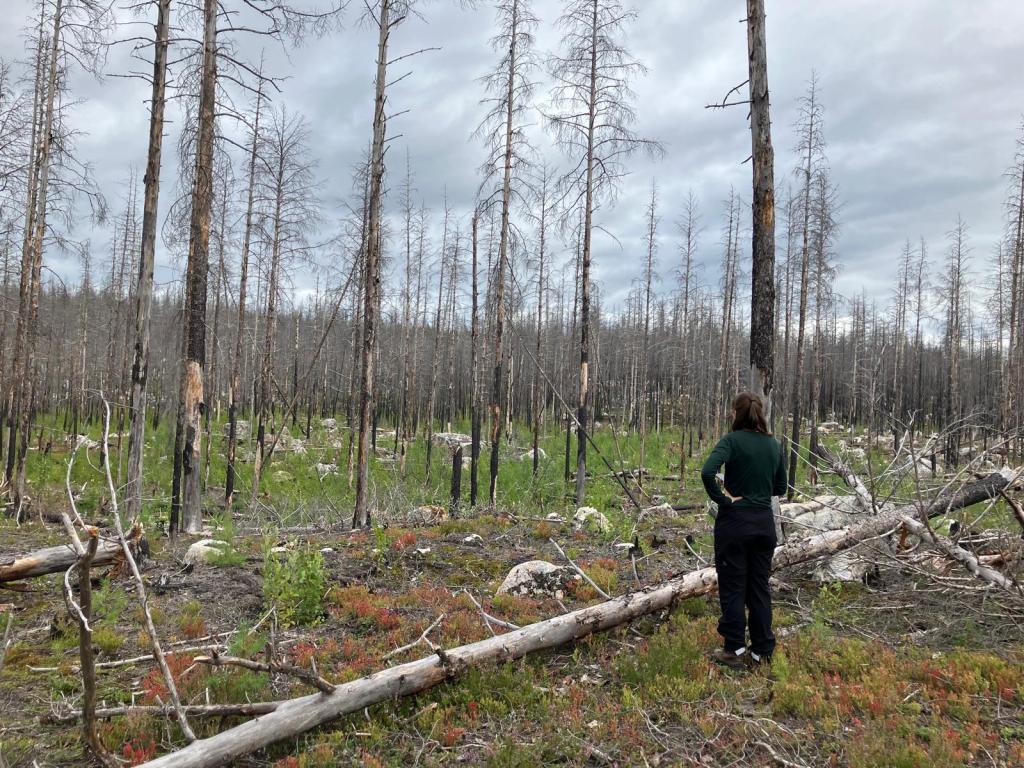
Our researchers Eva Lövbrand and Julia Feine conducted their first field visit for the Swedish Case Study of our project. They went to Ljusdal municipality and interviewed local stakeholders. The reflections of this first visit can be found here: Hälsingland – Case Study.



15th of August 2024
Radio Interview
Local radio interview – LiFi researcher Feine about the Swedish case study
During the field visit our researcher Julia Feine was interviewed by P4 Gävleborg resulting in a report for the programme “Förmiddag i P4 Gävleborg”. The audio link to the Swedish interview will follow shortly.
3rd until 5 th of July 2024
Istanbul, Türkiye
11th European Workshops in International Studies
The EWIS 2024 took place in early July under the headline “The future yet to come: for a global politics of hope”. The event was located at Kadir Has University Istanbul.
The workshop, titled Working with the Negative, was organised by Valerie Waldow and David Chandler. Project researcher Ayşem Mert presented under the title: “Environmental Politics in the Wake of Covid: A Critical Fantasy Studies Perspective by Ayşem Mert, Jason Glynos, Elise Remling and Jelle Behagel”.
10th 11th of June 2024
Helsinki, Finland
Erkko Conference: Climate Turbulence and Democratic Experimentation
In the middle of June 2024 project researcher Ayşem Mert took part in the Erkkko Conference at the Helsinki Collegium for Advanced Studies. Her presentation was titled: “Democracy in the post-/Anthropocene: Post-pandemic environmental politics and participatory practices”.
Friday 24th of May 2024
Istanbul, Türkiye
Lecture ”Democracy in the Post-/Anthropocene – A Conversation with Ayşem Mert”
At the end of May 2024, our project researcher Ayşem Mert was invited to the Istanbul Policy Center at Sabancı University – Stiftung Mercator Initiative.

15th until 19th of April 2024
Canberra, Australia
7th International Fire Behaviour and Fuels Conference

LiFi researcher Elise Remling presented at the 7th International Fire Behaviour and Fuels Conference titled“Fuel, Fire and Smoke: Evolving to Meet Our Climate Challenge” in Canberra, Australia. The event, hosted by the International Association of Wildland Fire (IAWF), took place from April 15-19, 2024.
The conference provided a forum for documenting past fire management experience and lessons learned, showcasing current work, and sharing emerging research, innovation, and fire management techniques with the goal of developing integrated solutions to these challenges.
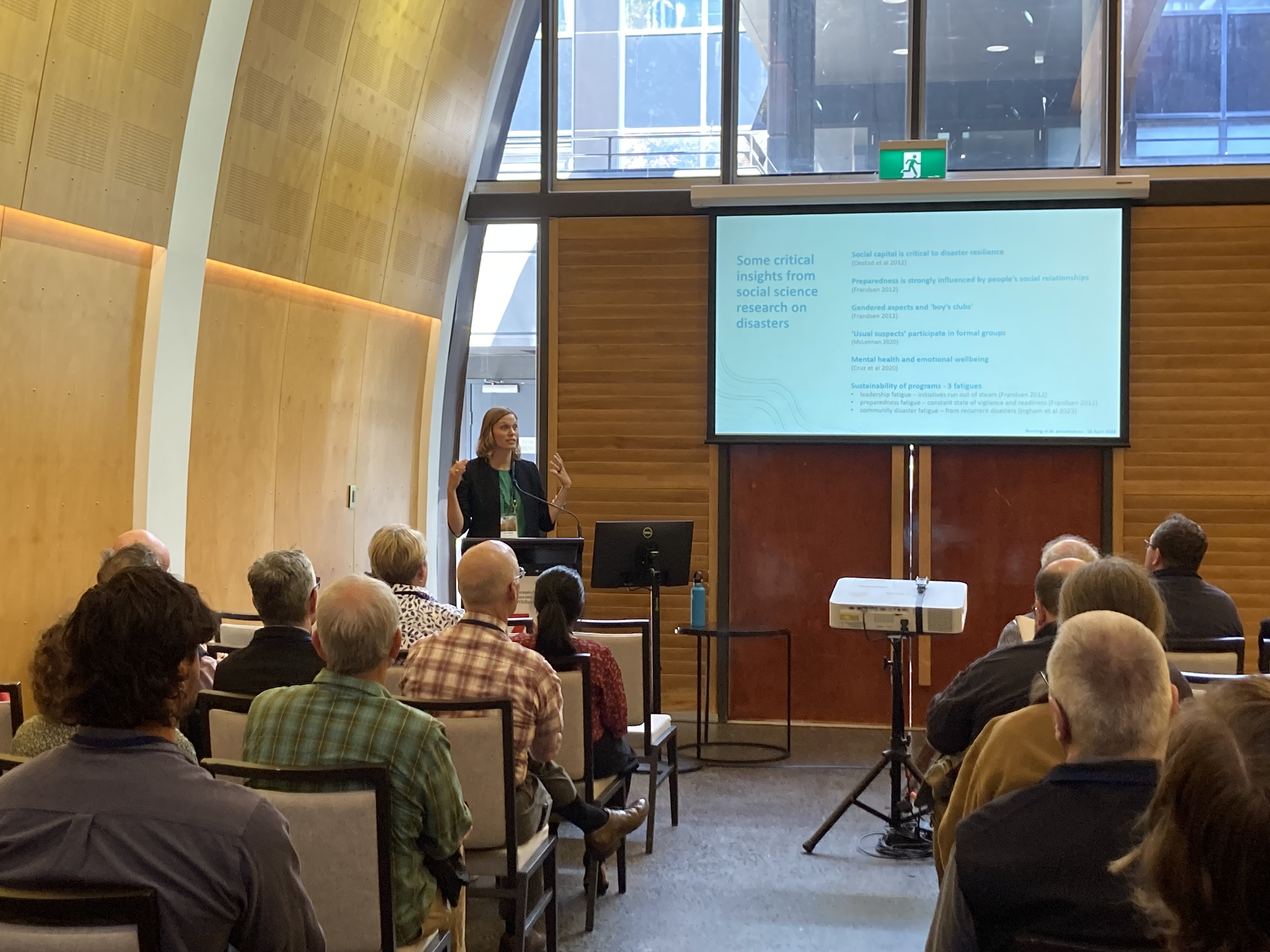
During her presentation, “A Novel Framework for Community-Led Bushfire Resilience and Preparedness in Australia,” Elise highlighted how traditional top-down emergency management models in Australia leave little room for community and neighbourhood-level decision-making regarding wildfire prevention, preparedness, and recovery. This approach contrasts starkly with the lived experiences of many survivors from the 2019/2020 Black Summer wildfires, where formal emergency service agencies had minimal presence on the ground, leaving people largely to fend for themselves. In the context of increasing wildfire frequency and intensity due to climate change, and drawing from these past experiences, Elise’s presentation emphasized the need for improved local community empowerment and bushfire preparedness.
Drawing from literature on community disaster resilience initiatives, Elise proposed the idea of informal, localized “Pods” as a framework for building better community resilience to wildfires at the neighbourhood level. These small groups, consisting of friends, extended family, or neighbours, would fill the current void between individual household preparedness and local government/agency efforts. The basic premise is for these tightknit groups to work together, leveraging their existing relationships and social capital. They would make decisions tailored to their specific needs, lifestyles, environments, and capabilities regarding bushfire preparation, response, and recovery. The collective benefits include a network of assistance, support for vulnerable individuals, sustained preparedness through ongoing social connectedness, and reduced dependence on formal arrangements (which were overwhelmed during the last fires).
Building local community capacity for bushfire resilience is a crucial missing piece in the Australian wildfire adaptation puzzle, which can lead to better outcomes for communities on the frontlines of extreme events.
The presentation is based on collaborative work conducted together with Dr Katie Moon (University of New South Wales (UNSW) Canberra) and Dr Sophie Yates (Australian National University (ANU)).
15th until 19th of May 2023
Porto, Portugal
8th International Wildland Fire Conference

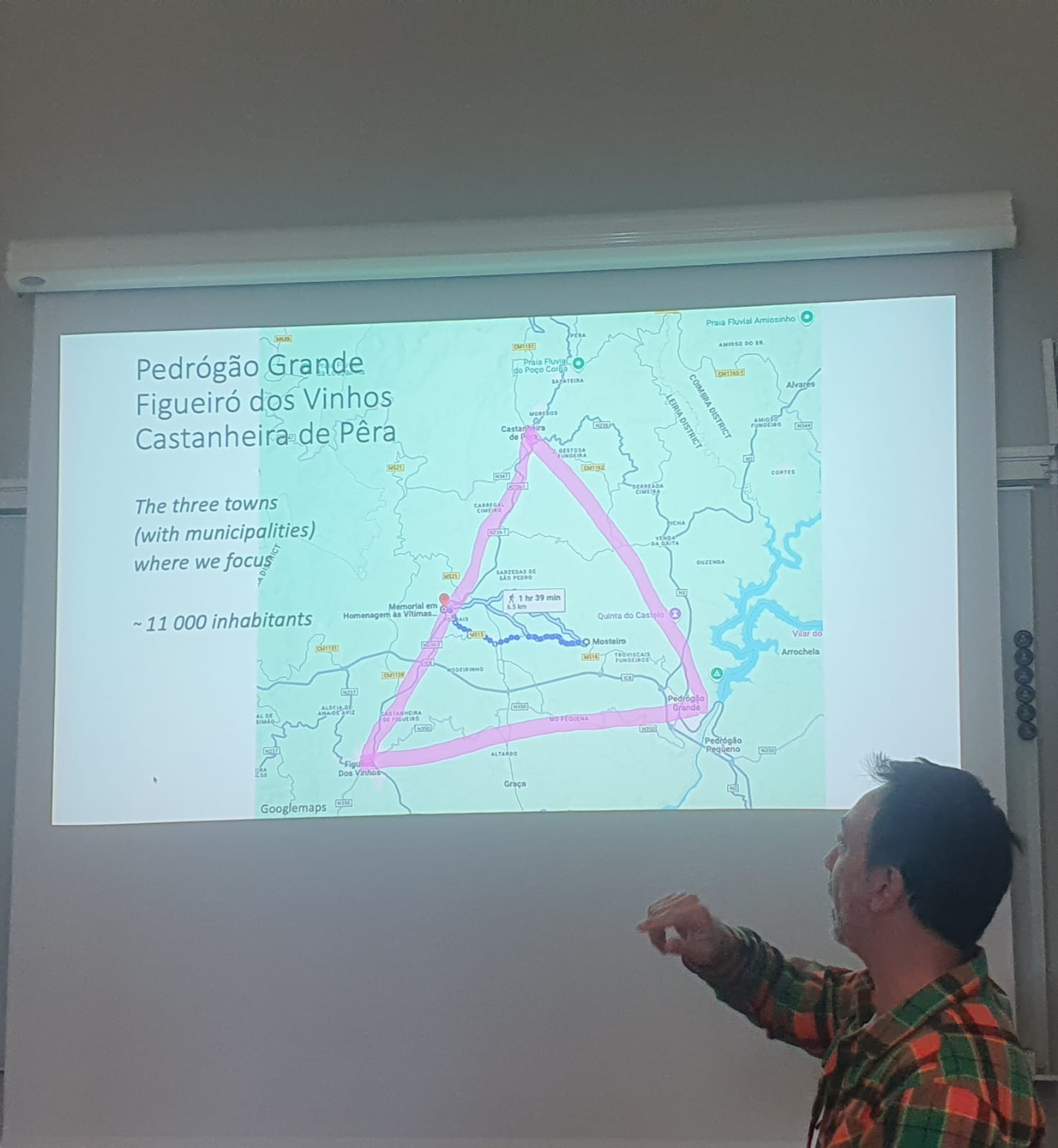
In Mid-May 2023 our project researcher Jelle Behagel attended the 8th International Wildland Fire Conference. The conference takes place every four years and is shaped by the recent dramatic fires, such as the case studies of our project. A focus of the conference was be a new wildfire governance model framework.
Jelle was part of the Thematic Session “Forest & Economy – Public Policies” and joined many other sessions, presentations and workshops.
For more information visit the website of the conference: https://www.wildfire2023.pt/.


31st of March 2023
Amsterdam, The Netherlands
Kick-Off Event
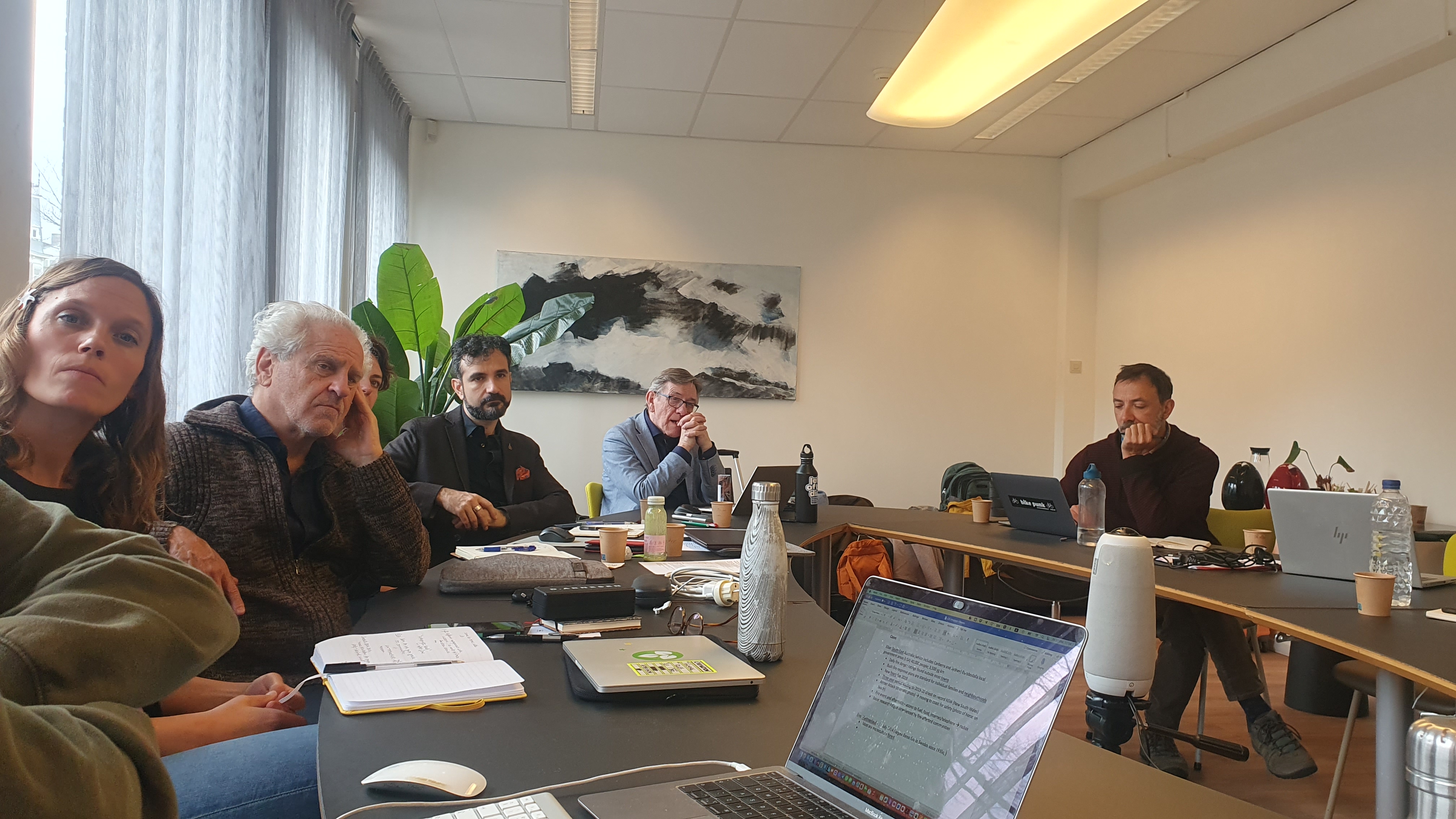
End of March 2023 our project team met the first time in person, after preparing the project the last year. In Amsterdam we officially started the research project.
We had an Opening Lecture by Dr. Peter Chistoff from the University of Melbourne named “The Fires Next Time: Australia in the Pyrocene”. Moreover, we introduced each other to the different case studies and talked about the concepts and methods. Many details were figuered out and important processes started.



 LiFi
LiFi 