- Ayşem Mert (she/they)
- Elise Remling (she/her)
- Eva Lövbrand (she/her)
- Jelle Behagel (he/him)
- Mehmet Ali Üzelgün (he/him)
- Julia Feine (she/her)
Assistants
- Eike Plhak (he/him)
- Roald Nooijens (he/him)
Consultant
- Lidiia Kasianchuk (she/her)
Introducing us
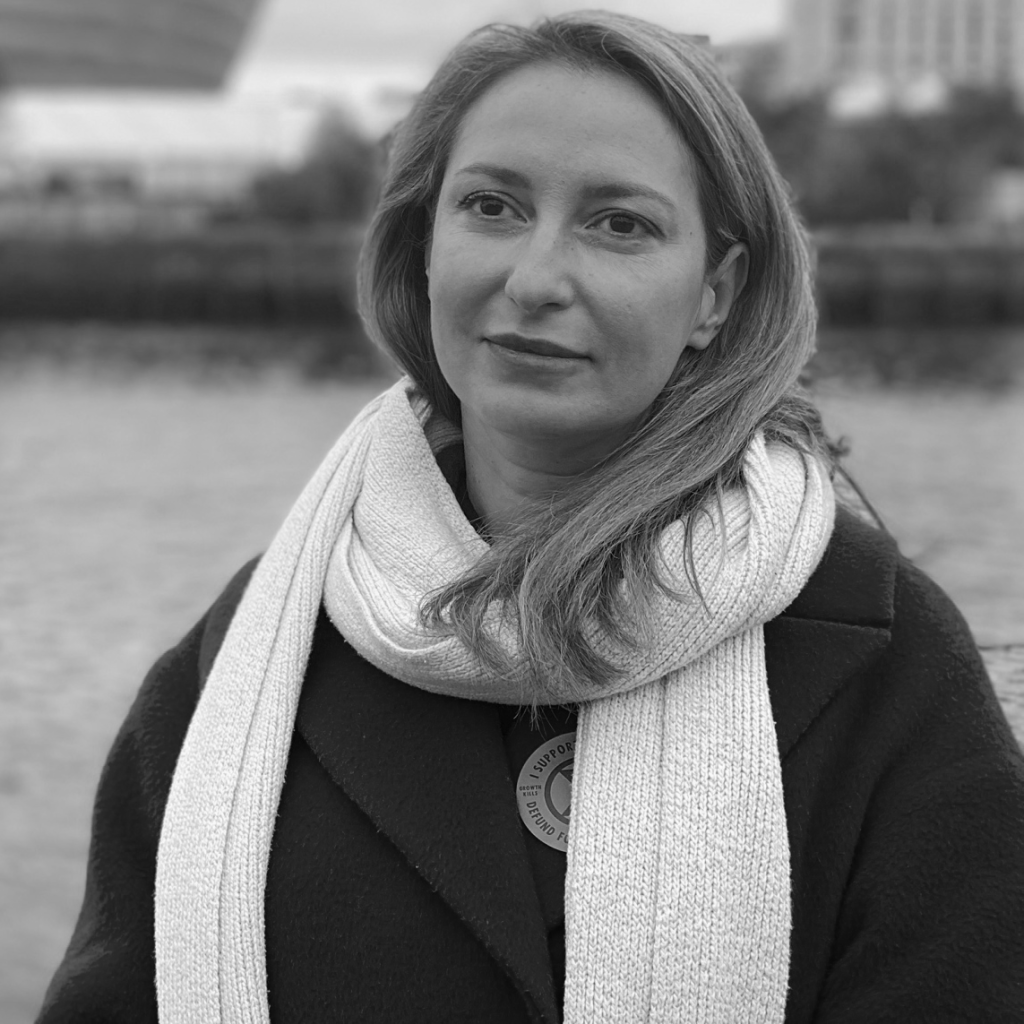
Ayşem Mert (she/they)
Ayşem Mert is Associate Professor (Senior Lecturer) of Environmental Politics at Stockholm University (SU). Her work focuses on post-structural discourse theory, critical fantasy studies and other critical approaches to democracy and environment on various scales (particularly in the Anthropocene) and public-private cooperation in sustainability governance. Currently she is working on transdisciplinary tools (such as walking, world-building, and future-making) to co-create liveable, desirable, equitable, and sustainable future(s).
Next to LiFi, Ayṣem’s current projects include Environmental Governance Post Coronavirus Crisis (EPOC). She is a member of European International Studies Association, Shadow Places and Earth System Governance Research Networks, and she serves in editorial boards of Earth System Governance and International Environmental Agreements (INEA) journals, and Earth System Governance book series of Cambridge University Press. She is one of the co-convenors of the ESG and Democracy Working Group. She wrote Environmental Governance through Partnerships A Discourse Theoretical Study, and co-edited Public–Private Partnerships for Sustainable Development: Emergence, Influence and Legitimacy as well as The Palgrave Handbook of Global Politics in the 22nd Century.

Elise Remling (she/her)
Elise Remling, is a Research Fellow at the Centre for Environmental Governance, University of Canberra, Australia. She is also an Associate Researcher with the Stockholm International Peace Research Institute (SIPRI), Sweden. Elise has a background in both academic and policy-oriented research in the field of climate change and sustainable development. Located at the interface between human geography, political science, and development studies, Elise’s work is driven by a keen interest to shine a critical light on the social and political implications of climate and environmental changes. Elise received a PhD in Environmental Sciences from Södertörn University, Sweden, in 2019. In her thesis she explored the politics of climate adaptation decision-making by focusing on the more subtle, discursive moves in public policy discourse. Drawing on Poststructuralist Discourse Theory, she looked specifically at the role of discursive power, depoliticization and the affective fantasies animating policy responses. Her work has been published in high impact academic journals, including in Climate Policy, Environmental Politics, Environment and Planning C: Politics and Space, Climate and Development, Regional Environmental Change and Critical Discourse Studies. Elise is a Research Fellow with the Earth System Governance Project. She will be leading the case-study on the Eurobodalla Shire in Australia.
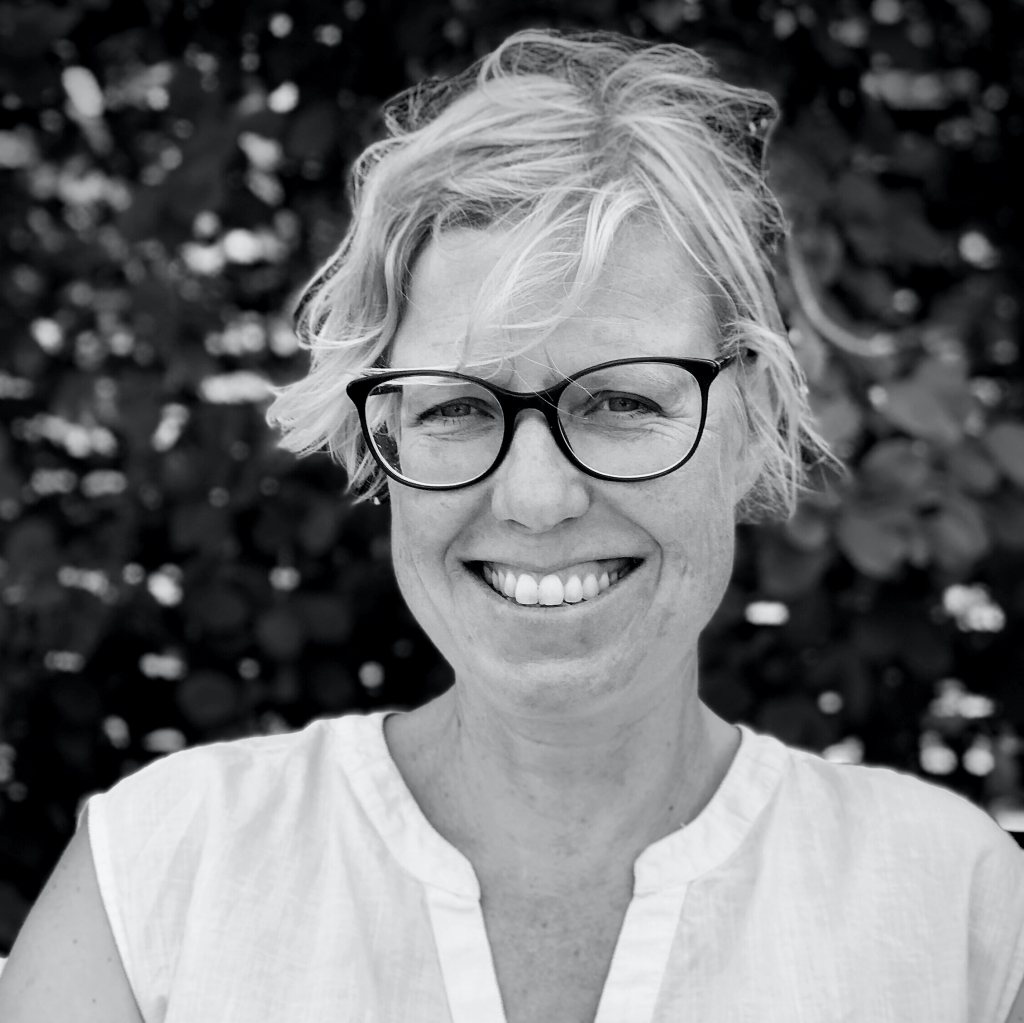
Eva Lövbrand (she/her)
Eva Lövbrand is Professor in Environmental Change at the Department of Thematic Studies, Linköping University in Sweden. Her research examines the ideas, knowledge systems and expert practices that inform global environmental politics and governance. The politics of carbon has preoccupied much of her work and resulted in critical examinations of the regimes of carbon accounting (e.g. carbon offsetting schemes, budgets) that render climate change governable. In recent years she has also explored how the Anthropocene is imagined, known and acted upon as a political problem. She is co-editor of the volumes Environmental Politics and Deliberative Democracy: Exploring the Promise of New Modes of Governance, Research Handbook on Climate Governance, Anthropocene Encounters: New Directions in Green Political Thinking and Anthropocene (In)Securities: Reflections on Collective Survival 50 Years after the Stockholm Conference.
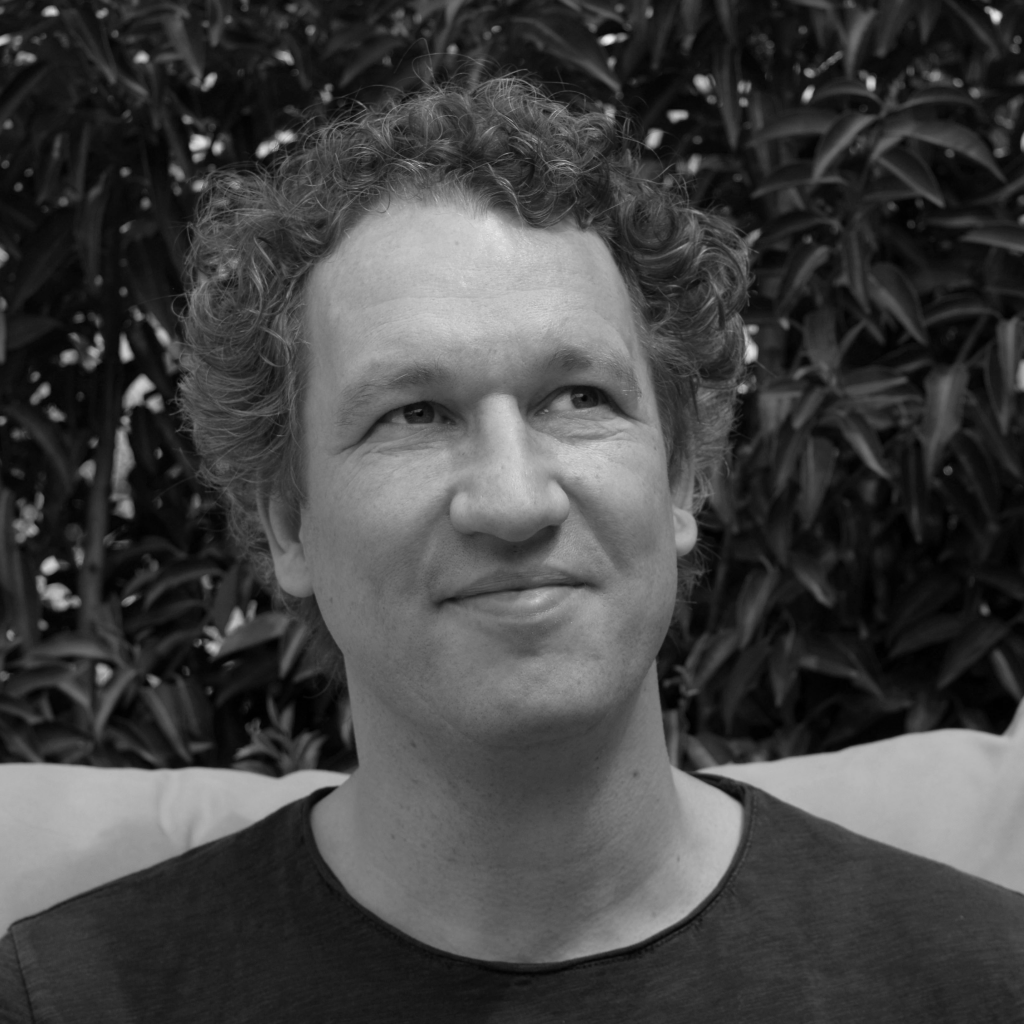
Jelle Behagel (he/him)
Jelle Behagel is Associate Professor with the Forest and Nature Conservation Policy Group (FNP) of Wageningen University, the Netherlands. His expertise is in the democratic governance of nature, and how forest discourses constitute forest politics. He moreover has studied and written extensively on political practices of forest and nature conservation across the global-local nexus. Building on this expertise, Jelle works today on exploring the fantasmatic role of forest and nature in the age of the Anthropocene.
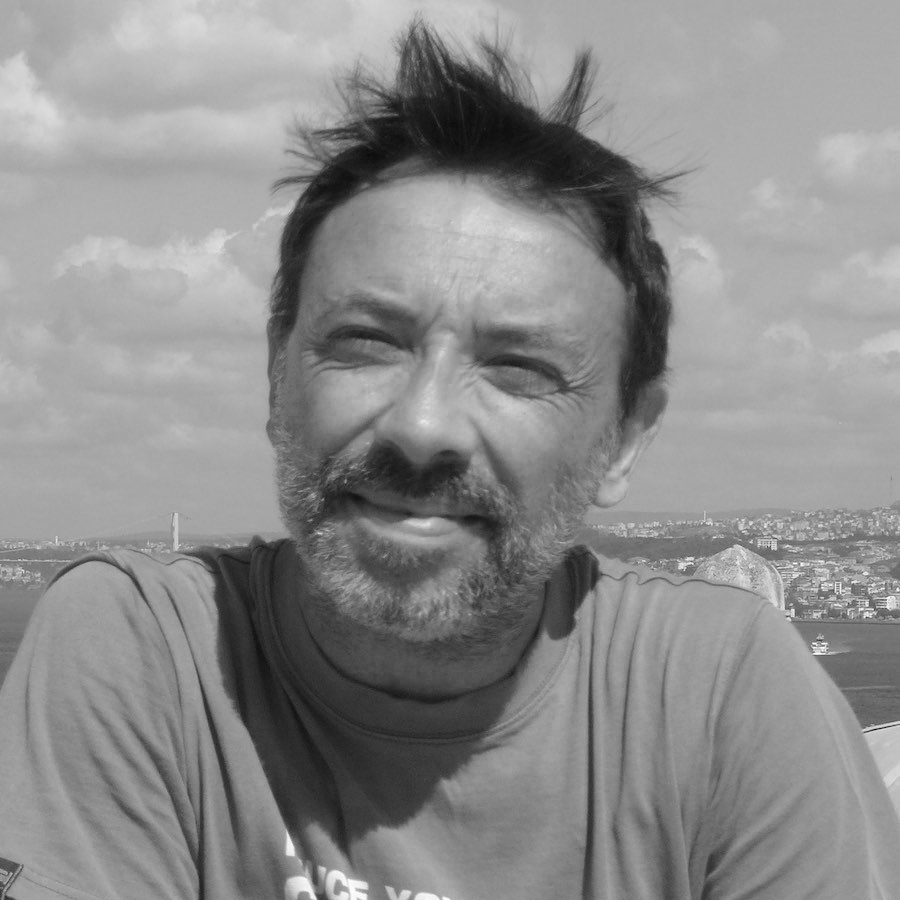
Mehmet Ali Üzelgün (he/him)
Mehmet Ali Üzelgün is an Invited Assistant Professor at the Department of Communication Sciences, Universidade Nova de Lisboa, Lisbon, and at Ibn Haldun University, Istanbul. He is a Research Fellow at the Centre for Research and Studies in Sociology (CIES-Iscte) at the Instituto Universitário de Lisboa, as well as the Nova Institute of Philosophy (IFILNOVA) at Universidade Nova de Lisboa and the Munazara and Argumentation Ethics Center (ArguMunazara) at Ibn Haldun University. His research explores diverse discursive, rhetorical, and representational features of climate change communication and action. Other than LiFi, his current research projects are “Climate Futures and Just Transformations: Young People’s Narratives and Political Imaginaries”, “European Media Platforms: Assessing Positive and Negative Externalities for European Culture”, and “Adab in Dialogue: Developing Argumentative Virtues in a Divided World”. One of Mehmet Ali’s most recent publications appeared in the book Climate Change in the Mediterranean and Middle Eastern Region, with the title “Portrayals of Climate Change and Drought in the Politically Oriented Turkish Press: Socialist, Islamist, and Nationalist Accounts of Extreme Weather in 2007 and 2014”.
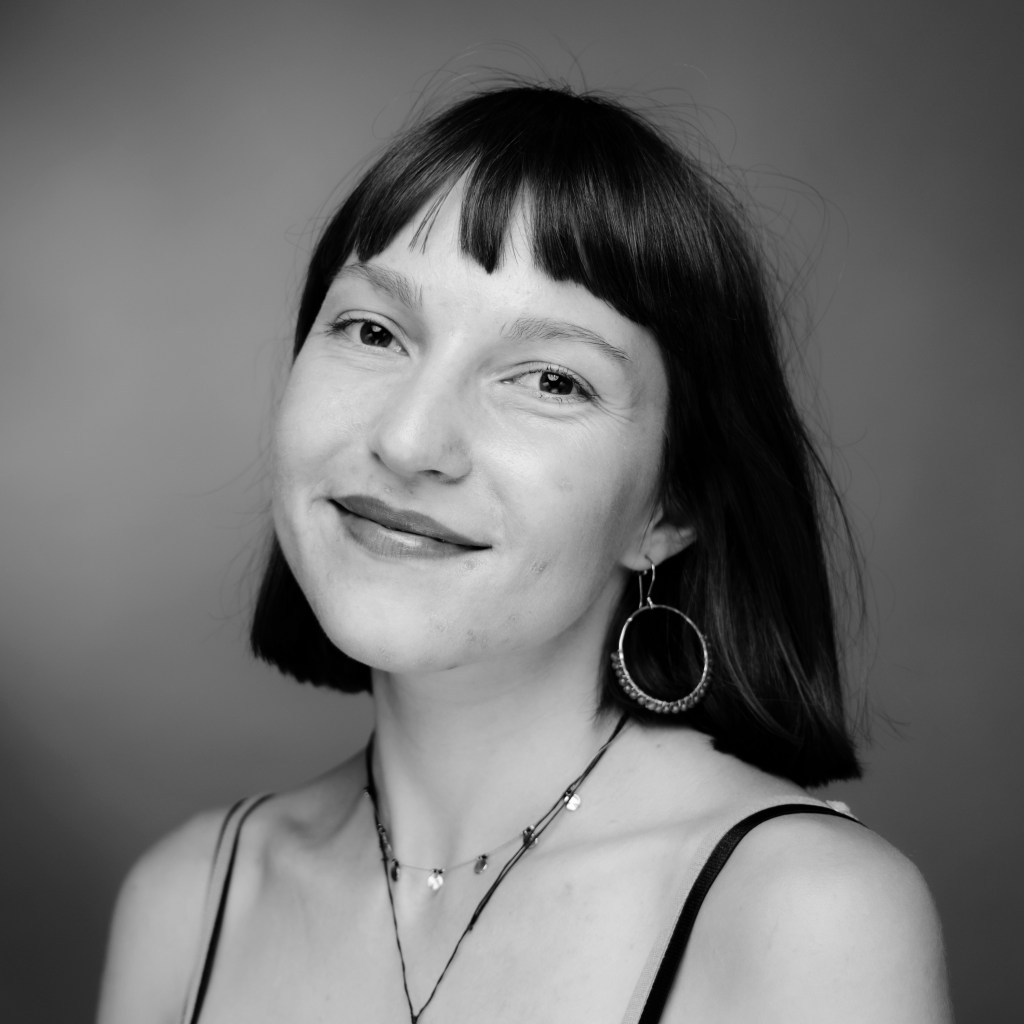
Julia Feine (she/her)
Julia Feine is engaged as a PhD student in the LiFi project. She holds a Master’s degree in Political Science with a special focus on Environmental Social Studies from Stockholm University. She has previously worked as a research assistant in the Environmental Governance Post Coronavirus Crisis (EPOC) project and Democracy, Autocracy, and International Cooperation (DAIC) project. She has further experience in environmental governance from her internship at the Stockholm Resilience Centre and her former occupation as a student assistant in the project Bio-economic Power in Global Supply Chains: Approaches, Impacts and Perspectives on Certification and DueDiligence for Biogenic Mass Raw Materials (Bio-Power). Julia has a background in International Relations and a special interest in researching environmental discourses, future imaginaries and human-nature relations.

Eike Plhak (he/him)
Eike Plhak works as a student assistant in the LiFi project. He is currently studying a master’s in Political Science with a focus on Environmental Social Studies and holds a Bachelor of Science in Environmental and Sustainability Studies. Eike has volunteered in various organisations focusing on sustainability education. He is particularly interested in the topics of just transition and comparing different national approaches – to the climate crisis and beyond. Besides the LiFi project, she also works as a student assistant in the project Environmental Governance Post Coronavirus Crisis (EPOC).

Roald Nooijens (he/him)
Roald Nooijens works as a student assistant in the LiFi project. He is currently doing a master double degree in Forest and Nature Policy with a focus on biodiversity governance, and Urban Environmental Management with a focus on urban nature. Further, he holds a BSc in ecology with a philosophy minor. He is especially interested in the human-nature relationship from a cultural, political and philosophical perspective, and sensory human-nature interactions. In his master thesis, Roald applies post-structural discourse anlaysis and Lacanian theory to explore political fantasies of nature in global biodiversity governance.
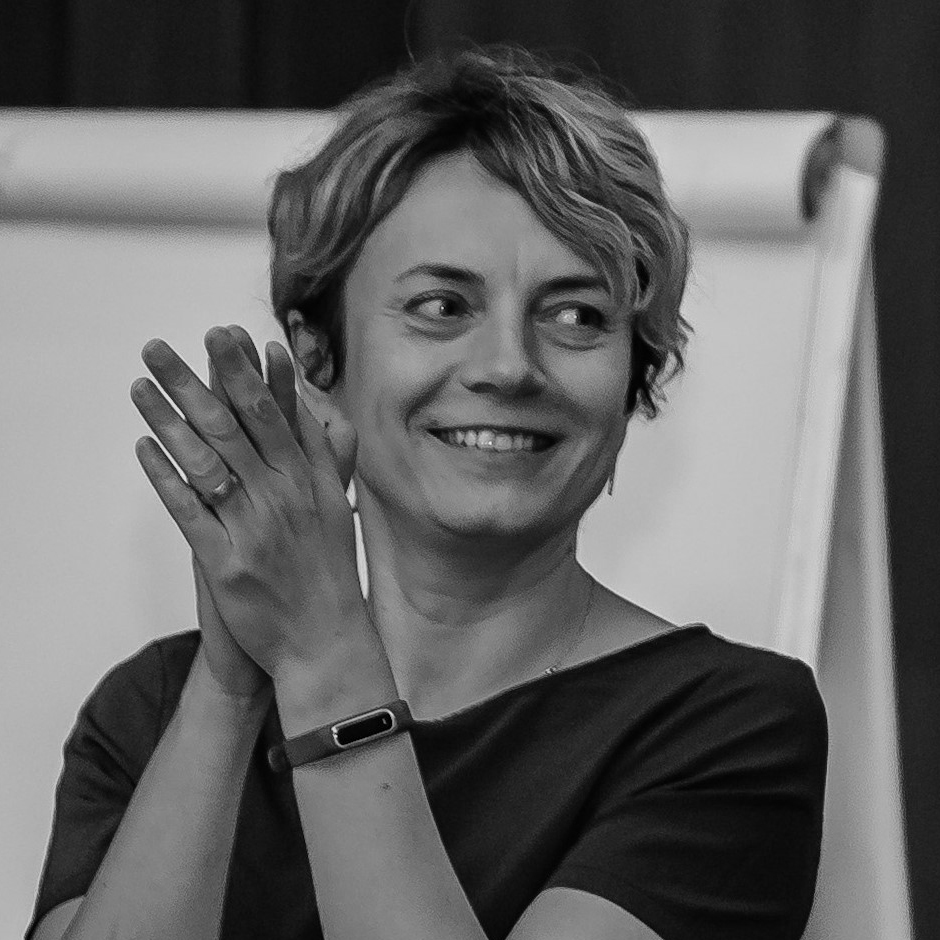
Lidiia Kasianchuk
(she/her)
(she/her)
Lidiia Kasianchuk, psychologist from Ukraine with more than 9 years’ clinical, capacity building and coordination experience in mental health and psychosocial support (MHPSS) in emergency settings in Ukraine, Armenia, and Moldova. Lidiia is a trainer of trainers and supervisor in Psychological First Aid (PFA), the WHO Mental Health Gap Action Programme (mhGAP) and other WHO scalable interventions such as Problem Management+, Self Help+, etc. Lidiia studied Public Health Response in Disasters at Karolinska Institutet, and currently is finalising her Master Program in Health Psychology in Umeå University.
 LiFi
LiFi 